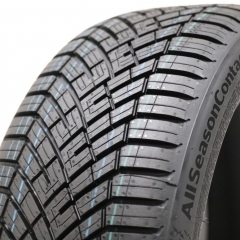
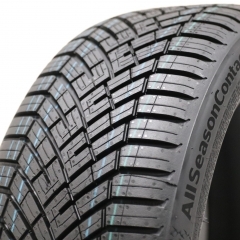
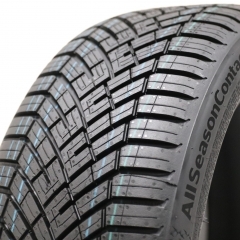
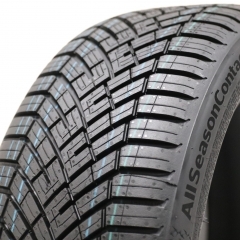
Types of Winter Tires
Winter tires are divided into three main categories: European-style winter tires, Scandinavian (Nordic) winter tires, and studded tires. Each type has its own distinct advantages and drawbacks.
European-Style Winter Tires
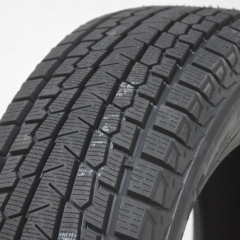
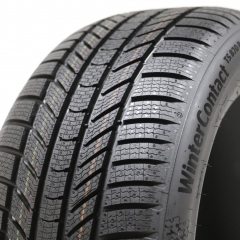
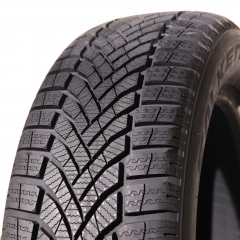
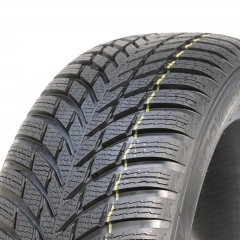
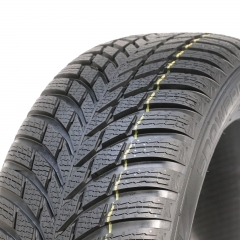
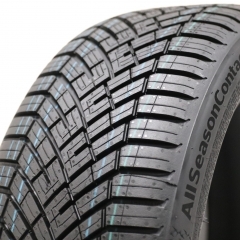
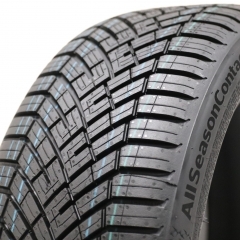
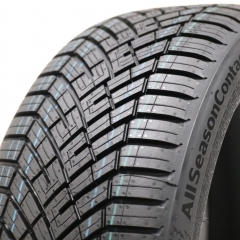
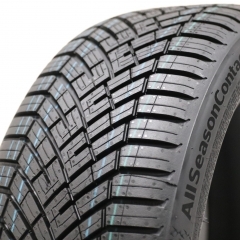
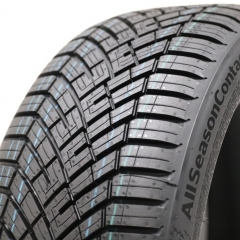
European-style winter tires feature a relatively harder rubber compound, offering better performance and stability at higher speeds without the "floating" sensation. These tires excel in milder winter conditions—on wet roads, slush, and dry asphalt. They efficiently channel water and slush away from the contact patch. If you predominantly drive in the city or on regularly cleared highways, this is an excellent choice. However, their performance drops in severe winter conditions, deep snow, or extreme freezing temperatures. This tire category has been gaining massive popularity among customers in recent years. Due to their harder compound, some drivers even use them as all-season tires year-round.
Scandinavian (Nordic) Winter Tires
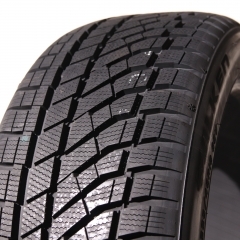
Scandinavian-style winter tires, also known as friction tires, are engineered specifically for harsh winter environments. They perform exceptionally well on ice, packed snow, deep snow, and in sub-zero temperatures. They utilize a much softer rubber compound and feature sharp tread edges that assist with maneuvering and cornering on slippery roads. These tires have deeper and more pronounced sipes to maximize grip on ice. Because of these specific traits, driving on them in the summer is highly unadvisable—the soft rubber overheats, causing the car to "float" or slide during sharp maneuvers and sudden braking. Compared to European-style tires, Nordic friction tires offer less high-speed stability on dry or wet asphalt, generate more road noise, and slightly increase fuel consumption.
Studded Tires
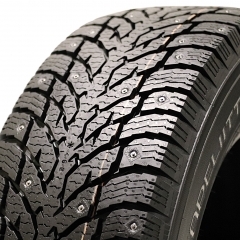
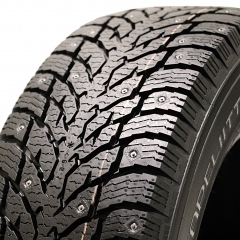
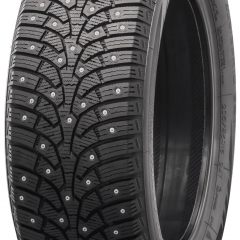
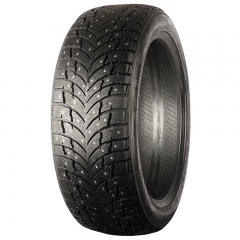
The third type is
studded winter tires. Their true superiority shines only in the most extreme winter conditions—on sheer ice and densely packed snow. In such environments, studded tires are leaps and bounds ahead of any other winter tire. However, on clear days, they provide lower performance and less comfort. Studded tires are noticeably loud and increase fuel consumption. On dry or wet asphalt, they can even slide more because the metal studs reduce the rubber's direct contact with the road. While they are the safest option for ice and packed snow, you have to accept their compromises on clear roads. Before choosing studded tires, remember that they are banned in several European countries because the studs damage road surfaces. If you plan to drive your car across Europe, keep these restrictions in mind.
New Winter Tires – Is It Always the Best Choice?
Undeniably, new winter tires offer a range of significant advantages over
used tires. The most important benefits include:
-
Longer Lifespan – when comparing a new and a used tire of the same model, the new set will practically always last longer, meaning you won't have to worry about replacing them for a more extended period;
-
Active Warranty – just like any new product, new tires come with a manufacturer's warranty. If a defect is found, you will get a refund or a replacement. Used tires usually have no warranty or a very short one (Riepu Garāža offers a 2-week warranty on used tires so the customer can ensure everything is in order);
-
No Hidden Defects – used tires can hide internal structural damages under the tread that are practically impossible to detect visually.
However, this doesn't mean you can't buy reliable and high-quality used winter tires. If you have a strict budget, exploring the used market is absolutely worth it. In that case, it is much better to buy cheap, used winter tires from a reputable manufacturer than a brand-new set from a completely unknown brand at suspiciously low prices. If you want brand-new winter tires that offer a phenomenal price-to-performance ratio, be sure to check out our
iLink tire selection!
EU Tire Label Information – Less Objective for Winter Tires
To help buyers navigate the vast tire market, new tires must feature an European Union (EU) tire label. For winter tires, this label indicates:
-
Fuel efficiency;
-
Wet grip;
-
Noise level.
However, you must understand that for winter tires, these classes are not entirely objective—the criteria were primarily designed for summer tires. The softer (and therefore, safer in winter) a tire is, the worse its label ratings will generally be. For example, fuel efficiency depends on rolling resistance. The lower the resistance, the less fuel is consumed. But winter tires need a soft compound to grip icy roads, which naturally increases rolling resistance.
The same logic applies to the noise level. The softer and more aggressive the tread, the louder it gets. But you will surely agree—it is far better for a winter tire to provide maximum safety than to be quiet and save a drop of fuel. Therefore, we can conclude that the EU label ratings are less objective for winter tires and shouldn't be the primary factor in your decision.
What Are the Main Characteristics of Winter Tires?
Tires designed for winter conditions differ significantly from summer tires. The most crucial defining features are:
-
More pronounced tread and sipes – the tread pattern is deeper with more grooves, and the sipes are densely packed. This is essential for ensuring optimal traction on snow and ice;
-
Significantly softer rubber compound – the soft rubber ensures the tire remains pliable and grips the road even in extreme freezing temperatures;
-
Wider central grooves – these help effectively disperse both snow and water, thereby drastically improving overall traction.
Thanks to these features, winter tires deliver optimal performance in freezing temperatures and on snow- or ice-covered roads. However, keep in mind that in warm weather, winter tires become louder and wear out rapidly, which is why they are not recommended for summer use.
Frequently Asked Questions (FAQ)